






Repair Tools
How to Inspect Engine Condition Without Disassembly

Feb
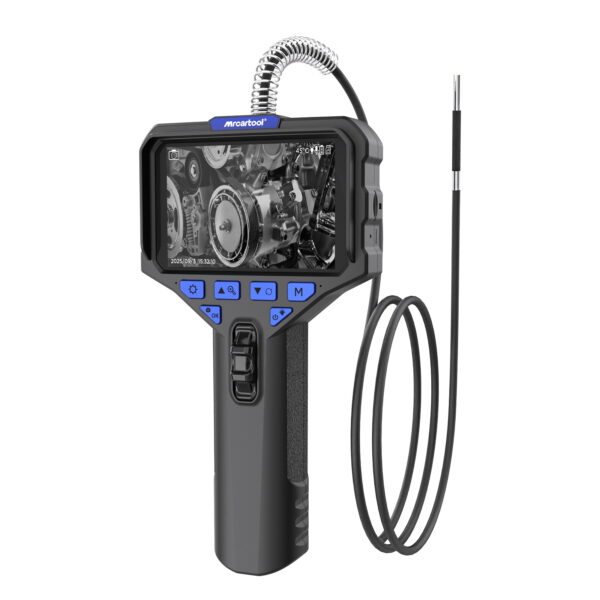
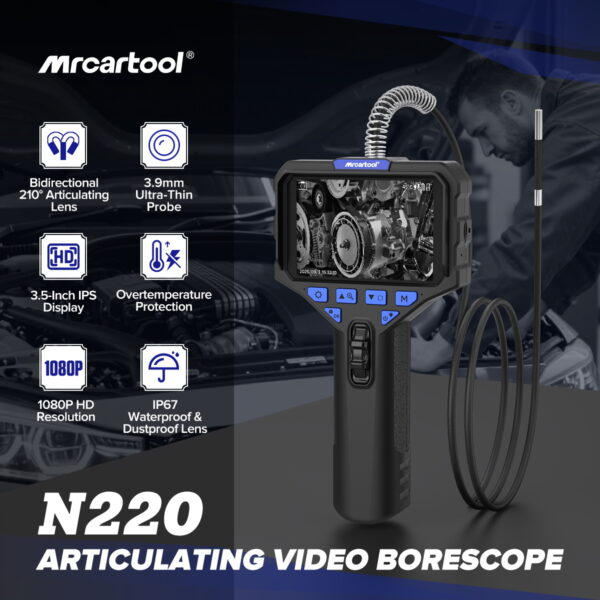
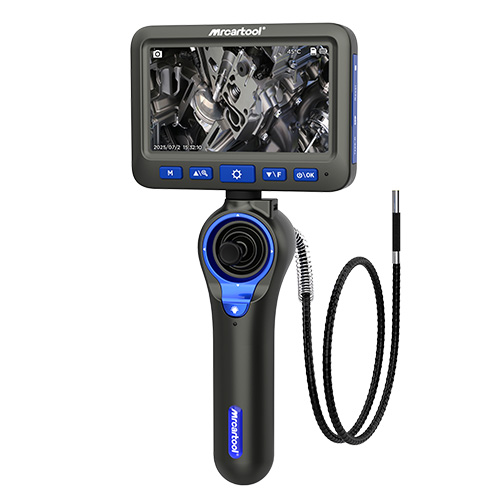
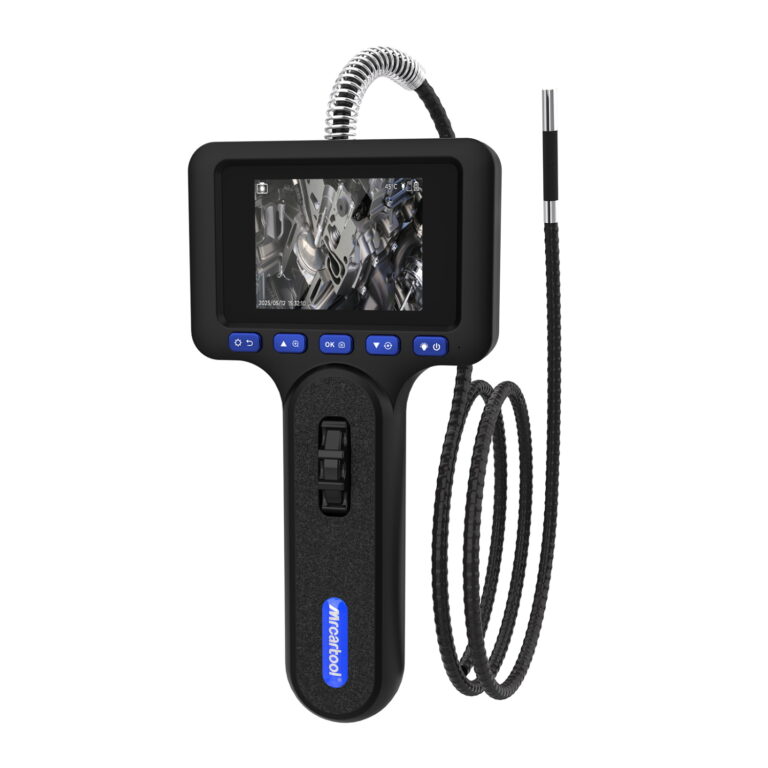
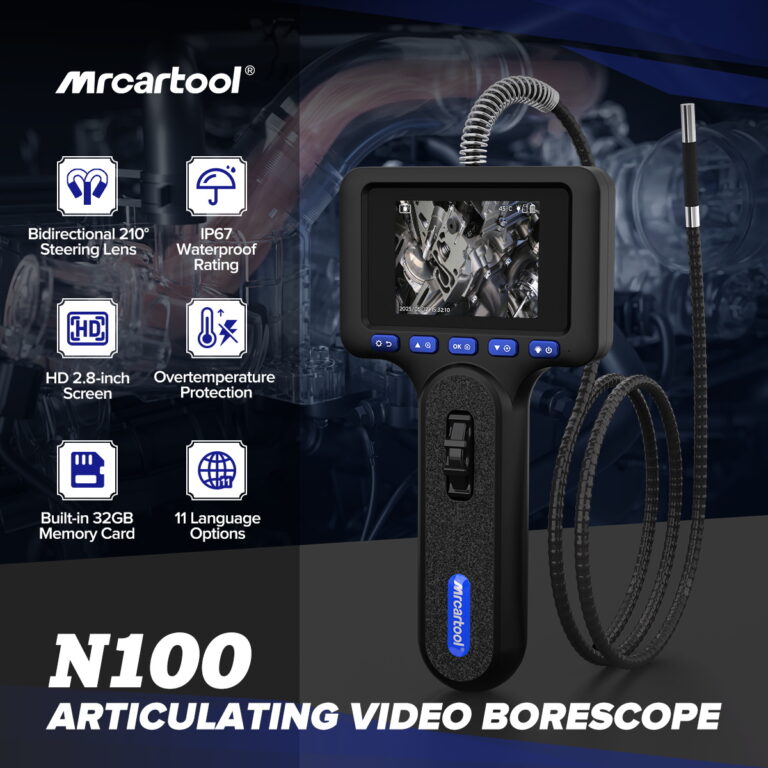
In routine maintenance, internal engine issues are often difficult to diagnose directly, requiring repeated disassembly to find the root cause. Relying solely on external symptoms—such as insufficient compression, oil burning, abnormal carbon buildup, or suspected cylinder wall scratches—can easily lead to misdiagnosis or excessive disassembly. Borescope Automotive effectively address this challenge.
For repair shops, assessing internal conditions without disassembling the engine saves labor hours and reduces customer costs. This is precisely where the automotive borescope demonstrates its value.
This article systematically explains how to use a borescope to inspect engine internals from a practical workshop perspective.
1. Why Recommend Automotive Endoscopes?
Engine disassembly is often a complex task. Before deciding whether to remove the cylinder head or completely disassemble the engine, repair shops can significantly reduce workload by visually inspecting or examining the engine’s internal condition.
The advantages of automotive endoscopes include:
-
- No need to dismantle the main engine body
- Access to the combustion chamber through passages like spark plug holes
- Directly observes cylinder walls, piston crowns, and valve conditions
- Supports photo/video capture for documentation and customer communication
This makes the endoscope the “first confirmation tool” in engine diagnostics, particularly suited for used car inspections, accident vehicle assessments, and troubleshooting abnormal engine noises.
2. Preparations Before an Borescope Automotive
Proper preparation prior to endoscopy is essential for ensuring safety and accurate results.
First, ensure the engine is completely cooled to avoid burns from hot components. Simultaneously, disconnect the ignition system or remove relevant fuses to prevent accidental start-up.
Second, inspect the endoscope equipment status, including:
-
- Whether the camera lens is clean
- Whether the lighting functions normally
- Sufficient battery charge
- Clear display image
Lens cleanliness is particularly critical. Oil residue or dust on the lens may cause blurred images, compromising diagnostic accuracy.
3. Selecting the Appropriate Inspection Entry Point
Automotive endoscopes typically access the engine interior through the following locations:
-
- Spark plug hole
- Fuel injector hole (select models)
- Oil filler port
- Intake manifold access port
In most cases, inspecting the combustion chamber and cylinder walls through the spark plug hole is the most common approach.
When removing spark plugs, mark the cylinder positions to avoid confusion during reassembly.
After selecting the appropriate access point, confirm the passage is free of visible debris before inserting the probe.
4. Inserting the Borescope Automotive and Locating the Observation Area
When inserting the probe, advance slowly to avoid colliding with the cylinder wall or scratching the lens.
Inside the combustion chamber, focus on observing the following areas:
-
- Piston crown
- Cylinder wall surfaces
- Intake and exhaust valve edges
- Carbon buildup in the combustion chamber
Rotating the crankshaft allows adjustment of the piston position to examine different areas. Perform this step slowly to ensure a stable image.
5. How to Identify Common Internal Engine Issues
In practical workshop applications, endoscopic inspection is typically used to identify the following problems:
1. Cylinder Wall Scratches or Wear
Noticeable longitudinal scratches on cylinder walls may indicate insufficient lubrication or foreign object ingress.
2. Abnormal Carbon Deposits on Piston Tops
Excessive carbon buildup may be related to incomplete combustion or abnormal fuel injection.
3. Coolant Seepage Traces
Unusually clean areas or water stains may indicate cylinder head gasket issues.
4. Valve Burn-off
Irregular edges or abnormal discoloration may suggest poor sealing.
Note: Endoscopy provides visual evidence for assessment. Final diagnosis should incorporate compression testing, leak testing, or data stream analysis.
6. Recording and Archiving
Most automotive endoscope cameras support photo or video recording functions.
During inspections, it is recommended to:
-
- Document abnormal areas
- Save visual records for each cylinder
- Annotate inspection timestamps and vehicle information
This not only aids subsequent analysis but also facilitates explaining repair recommendations to customers, enhancing professional credibility.
7. Post-Inspection Procedures
After completing the inspection, slowly remove the probe to avoid damaging the lens.
Then:
-
- Clean the probe surface
- Reinstall the spark plug and tighten to the specified torque
- Reassemble the removed components
Proper completion is equally essential to maintaining professional standards.
8. The Practical Significance of Automotive Endoscopes in Repair Shops
For repair shops, automotive endoscopes do not replace disassembly but serve as tools to reduce unnecessary disassembly.
Their practical value includes:
-
- Improving the accuracy of preliminary diagnostics
- Reducing customer repair costs
- Enhancing communication transparency
- Shortening diagnostic time
In modern repair workflows, endoscopes have become essential auxiliary equipment for engine diagnostics, playing a critical role especially in decision-making for labor-intensive projects.
Conclusion
Inspecting internal engine conditions without disassembly has become a standard procedure in modern repair shops.
Using an automotive endoscope camera enables technicians to visually assess the condition of cylinders, pistons, and valves, providing a basis for subsequent repair decisions.
For repair shops prioritizing efficiency and professionalism, automotive endoscopes are essential tools for enhancing diagnostic capabilities.
📩 Contact Tina now for discounts and purchase inquiries!
- WhatsApp: +86 189 2376 8146
- Email: seller@mrcartool.net
Hot Automotive Endoscope Camera for Sale

Related blogs


